


LA billionaire and healthcare investor par excellence Patrick Soon-Shiong (his NantHealth raised $31 million earlier this year and owns Vitality, eviti, iSirona, iCOS) has just made a sizable $8 million investment in Fluential, which is developing a voice interface and speech-optimized recognition software for digital health, wellness, and weight management, to run on anything mobile including wearables, and to be released in the spring of 2014. If this works (and better than Siri), it has major implications across the board in the future shape of both consumer and clinical health tech, especially for older adults and those with mobility concerns. Mobihealthnews.
Apple purchasing 3D gesture control developer PrimeSense
Breaking News
Based on the report you read, the deal is done or nearly done, but it is highly likely that Apple will be acquiring Tel Aviv-based PrimeSense for an amount in or around $345 million. PrimeSense developed the original 3D gesture control behind Microsoft Kinect (replaced by their in-house version); the company currently works with Asus and probably Apple. The purchase will enable Apple to add controls with body movements and hand gestures to its smartphone, tablet and TV products, as well as more closely defend its own patents in 3D gesture control lined out in Apple-ology blog 9to5Mac. Nothing in this or other reports about the Apple foray into smartwatches or wearables, but the capability fits. Watch 9to5Mac, TheNextWeb and TechCrunch for updates.
Temperature sensing chip implanted in man’s arm
A biohacker called Tim Cannon, has had a computer embedded in his forearm, to allow his bodily data to be monitored. The device called Circadia 1.0 was built by Tim and colleagues from Grindhouse Wetware. In this first version, the chip records body temperature and transfers it in real time via Bluetooth to any Android-powered mobile device. Three LEDs built into the package serve as status lights (which glow visibly under the skin). The device’s battery charges wirelessly.
Because a regular surgeon wouldn’t be allowed to carry out the implant as it is unapproved by medical authorities, Tim relied on the expertise of body modification enthusiasts to implant the device! …Yes, it’s a bit crude, but more likely than not is another small step towards our cyborg future!
[This video is no longer available on this site but may be findable via an internet search]Tech to help blind people navigate… and perform yoga
 A pair of “smart glasses” being developed by researchers at Oxford University could help blind people in unfamiliar surroundings. The majority of people registered as blind have some residual ability to perceive light and motion. With this in mind, the team are developing glasses with mini cameras on either side which detect objects. Enhanced images are then displayed on the lenses. In addition, the cameras can detect how far an object is from the wearer by comparing the distance between the cameras. (more…)
International CES unveils in NYC
The trends and items of note for next January’s show in Las Vegas
- The ‘Internet of Things’ is the phrase-du-jour–embedding anything and everything with sensors (digital elements) and blending the physical and digital worlds
- Consumer Digital Health Care was listed as #3 of CEA’s 2014 Technology Trends to Watch (PDF link). What is hot is self-tracking (1/3 of mobile users have tracked using a smartphone and tablet, and over half are now concerned about data security), integrating tech for seniors (touching on Selfhelp’s Virtual Senior Center [TTA 17 Mar 2010], remote monitoring (telehealth and telecare) including GrandCare Systems and kiosk HealthSpot Station, patient adherence, FDA approval of apps and the home as a healthcare hub.
- Robots were the #4 trend: consumer robots such as home cleaners Roomba, Ecovacs; robots in eldercare; humanoid robots like NAO; robotic prosthetics and exoskeletons.
Digital health will again be showcased as a TechZone (more…)
10 sensor-based telehealth companies
[grow_thumb image=”https://telecareaware.com/wp-content/uploads/2013/11/biostamp.jpg” thumb_width=”150″ /]Our First 10 For Friday is what is termed a ‘sensor technology renaissance’ in telehealth, mostly tied to that sensor-equipped device called a smartphone. The ten companies profiled in Bionic.ly, including an ingestible, are:
Sano Intelligence–wearable patch sensor transmitting blood chemistry data such as glucose and potassium
Zephyr Technology–performance shirts in partnership with UnderArmour [TTA 25 Mar]
Cardiio–developed by the MIT Media Lab, it uses changes in skin tone read by an iPhone to measure resting heart rate [TTA 21 Mar]
MC10 (picture left/above)–the Biostamp elastic sensor and sensors used by combat soldiers to measure hydration, temperature, impact and other body indicators [TTA 22 Feb] (more…)
Fashion? Can wearables simply…work?
[grow_thumb image=”https://telecareaware.com/wp-content/uploads/2013/02/gimlet-eye.jpg” thumb_width=”150″ /]Apple’s hiring of Burberry’s CEO Angela Ahrendts as Senior Vice President of Retail and Online Stores to start in spring 2014 may well be indicative of the importance that Apple is putting on 1) smartwatches (she was honcho of a Burberry watch intro) and 2) wearables (she refreshed and upscaled an iconic brand from stores to merchandise). Chris Matyszczyk in Cnet points out that she is the second hire from the fashion industry (the other’s from YSL). On one hand this seems to reinforce that Apple’s strong suit is design; on the other hand it implies that their retail and online stores need to evolve after some recent missteps–and that they may not feel as confident as in the past of their internal capabilities. However this all seems too haute for the simple everyday buyer who wants stuff that helps you live your life better and more conveniently, and who may find it much easier to go to Verizon or Vodaphone for their mobile needs and that Jawbone UP band to wear. And where are the other wearables, say in a Burberry scarf? The Gimlet Eye is blinking in impatience, and it had better be elegant, or Gloria and Babe’s ghosts will be haunting Cupertino. [TTA 25 Oct] Apple and the emperor’s new wearable tech (Cnet) Hat tip to TANN Ireland Editor Toni Bunting; New Apple Retail Chief Hired Over Summer, Apple to Hire Burberry CEO (MacRumors).
The Gimlet Eye’s fashion update
[grow_thumb image=”https://telecareaware.com/wp-content/uploads/2013/10/heartbeatdress-260×300.jpg” thumb_width=”200″ /]Enough of this talk of failing health insurance websites and dodgy taxes! Begone! The Babe Paley or Gloria Guinness that The Gimlet Eye aspires to be longs for a dress such as this. And accompanied with its built-in InflataCorset which will calm my excited heart and nervous system when reading the latest outrage, Eye am also assured of maintaining an unblinking countenance (though too much corseting may cause me to fall into a faint.) The Flutter dress is pretty enough to conceal its premise to assist the wearer with hearing loss to ‘feel’ loud sound and respond. And Dahea Sun’s color changing dress depending on the environment–perfection, though the microcontroller may scratch. Does it change to basic black? Rise of the Fashionable Machines (MedCityNews)
Turn up, tune in but don’t drop out with health monitoring earphones
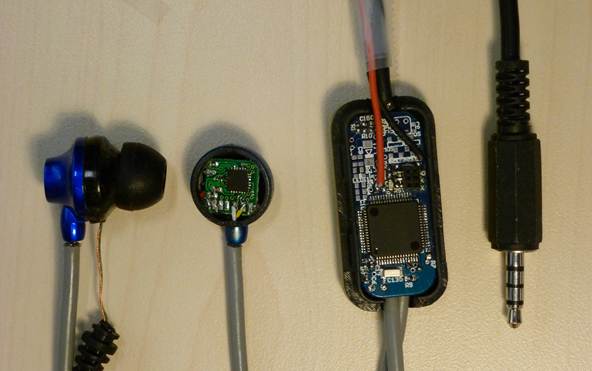 As part of a recent research project, Microsoft has incorporated health and fitness monitoring into a pair of earphones.
One application being developed for the hardware platform named Septimu, is a smartphone app called Musical Heart. The app enables Septimu to generate tunes based on a person’s mood or activity. So for example, fitness enthusiasts who want to keep the heart rate high can use Musical Heart to automatically up the tempo, helping them keep up the pace. Or for those feeling stressed or angry, Musical Heart could select something more soothing to help bring the heart rate and breathing down to a more relaxed level. Reported in PSFK.
A timely study published online last week in Proceedings of the National Academy of Sciences, demonstrated that ‘musical agency’ (i.e. music chosen by the study participants) greatly decreased perceived exertion during strenuous activity. (more…)
Don’t worry, there’s a wristband for that…
 Not one for my Christmas list, but check out this TechCrunch review if you want to find out more about the Tikker wristwatch (which is currently doing well on Kickstarter). Tikker will calculate when you’re likely to bite the dust, based on factors like age, activity level, BMI and location.
If you’re hesitating as to how you might feel about wearing such a thing, just place a mood wristband on your other arm. (more…)
Body computing, sensors and all that data
This past week’s Body Computing Conference at University of Southern California (USC) had three sessions focusing on wearable sensors and the big names such as the well-financed Fitbit, Jawbone, BodyMedia, the ingestible sensor Proteus and Zephyr. The panels were split between the medical-grade and the consumer oriented with this report indicating some friction between the two. The notion of the Quantified Self died hard, even with Basis Science’s Marco Della Torre noting that 80% of health app users abandon them within two weeks, so the discussion moved to form factor and the ‘holy grail’ of getting the 90% of never-ever QSers to pay some attention. Of course, it’s the flood of data that has to somehow be processed (one of the FBQs) even though the doctors appear to be unconvinced of the evidence…but the ‘big data’ may be proving it after the fact. The future of wearable sensors in healthcare (iMedicalApps)
Relax, it’s (not) just a breathing monitor headset
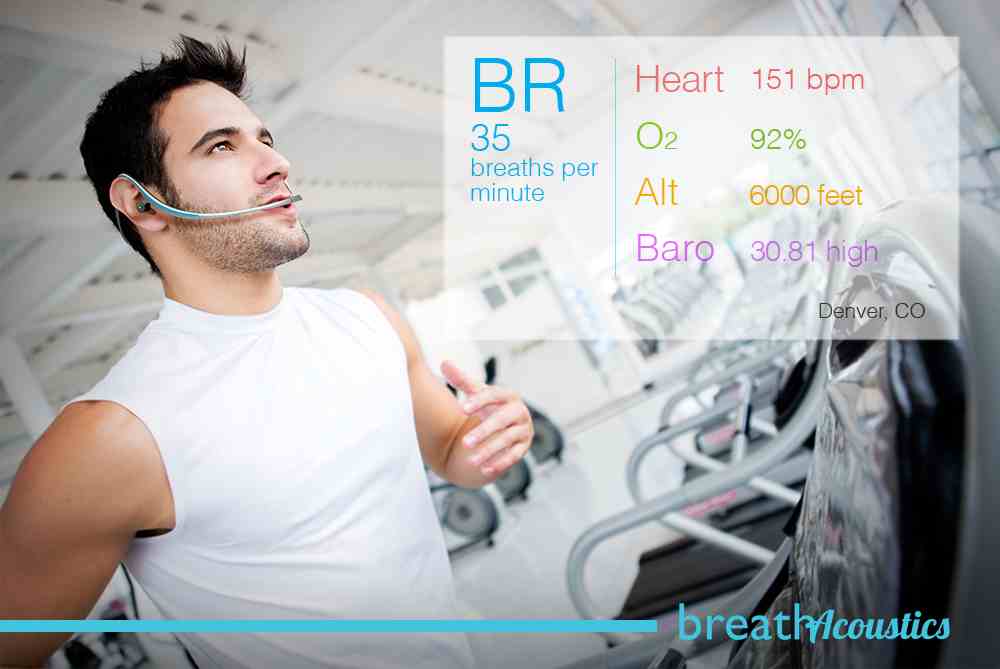 A headset which monitors the quality of your breathing is being developed by BreathResearch, a San Francisco Bay area start-up.
Combined with a mobile app, the ‘Breath Acoustics’ headset listens to your breathing and analyzes the patterns. Sensor-based breath monitoring may be a less commonly monitored biometric pattern but recent studies suggest it could be used to detect stress levels, bacterial infections and other conditions. The headset also presents other biometric data, including heart rate, pulse oximetry, and respiration. (more…)
A ‘mobilized’ artificial pancreas breakthrough?
Neil Versel (again) profiles a mobile platform that may be the start of the end of the Continuing Battle of Stalingrad for type 1 diabetes patients. The prototype system, Diabetes Assistant (DiAs), is a closed-loop system which combines a modified Android phone with wirelessly connected wearables attached on the skin–Dexcom glucose monitors and Insulet OmniPod insulin pumps- to effectively act as an artificial pancreas. It was developed by University of Virginia’s Center for Diabetes Technology with funding via The Juvenile Diabetes Research Foundation and the National Institutes of Health’s National Institute of Diabetes and Digestive and Kidney Diseases. Findings of the 20 patients monitored were initially presented at June’s American Diabetes Association’s annual scientific meeting and published in the July edition of the journal Diabetes Care (PDF does not require subscription). The system was designed by an international team: Sansum Diabetes Research Institute in Santa Barbara, Calif., University of Padova in Italy and the University of Montpellier in France. Tests continued with summer campers and the integration of Bluetooth LE into the connectivity system. Mobihealthnews article.
But can this small miracle of a system be hacked–and can providers be held accountable? This scary thought of ‘harm or death by hacking’, with the example given of an insulin pump gone awry–was tagged at the 2011 Hacker’s Ball, a/k/a Black Hat USA by Jerome Radcliffe [yes, in TTA back in August 2011]. The late Barnaby Jack was also on the medical device hack track. The danger is only now entering the consciousness of medical administrators and the industry press in mainstream venues such as Information Week. Are Providers Liable If Hacked Medical Device Harms A Patient? (Healthcare Technology Online). Also Kevin Coleman in Information Week tells more about the liability providers may find themselves in if they don’t update their systems.
Both the diabetes closed-loop systems under development (Diabetes Assistant is one of three) and the hacking threat were addressed by Contributing Editor Charles earlier this month [TTA 5 August] in his examination of how systems should move from decision support to decision taking in order to truly reduce patient or caregiver burden.
Qualcomm Life, Palomar Health pair up to check out Glass-wear
The pairing up of Qualcomm Life and California health system Palomar Health in Glassomics is certainly a novel move. It’s termed an ‘incubator’ to explore wearable computing in medicine, but it is more like a test bed for the partners. Heading it are two recognized health tech honchos–Don Jones, VP of Qualcomm Life and Orlando Portale, Palomar’s Chief Innovation Officer. Innovation and development is not new for Palomar and Portale–they trialled AirStrip, Mr. Portale’s mobile platform for it (eventually sold to them), and were key in the three-year ramp-up of Sotera Wireless’ Visi Mobile patient vital sign monitor [TTA 23 Aug 12]. Much has been made of the Glass connection and testing its healthcare chops, but their mission is not limited to ‘glassware’ (and not for your weekend drinks party, either.) It’s also a home to test out Qualcomm’s 2net connection platform and Healthy Circles Care Orchestration tools and services. Glassomics website. Gigaom article
[grow_thumb image=”https://telecareaware.com/wp-content/uploads/2013/07/specs.jpg” thumb_width=”170″ /]And for your weekend drinks party, here’s a cooler, lighter and less geeky take on Glass: GlassUp. It reports incoming e-mails, text messages, tweets, Facebook updates and other messages. Italian design for Augmented Reality (the new cool term for the category) of course. Yours for $299-399 on crowdfunder Indiegogo, where they are less than halfway to their goal with 11 days left (better hustle!). The Indiegogo video here.Google Glass through a doctor’s eyes
John Halamka, MD, CTO of Beth Israel Deaconess Hospital in Boston, writes about his experience testing Glass in the clinical environment and sees five useful areas–documentation, alerts and reminders, ED dashboards supplementing or displacing tablets, decision support (Watson, anyone?) “Just as the iPad has become the chosen form factor for clinicians today, I can definitely see a day when computing devices are more integrated into the clothing or body of the clinician.” Not the Object of Evil painted by the consumer IT gearheads and privacy advocates. Perhaps an ideal place for this? But is this Editor the only one who finds that ‘Meaningful Use Stage 2’ compliance (assistive technology) in the #1 position a bit odd? The Health Care Blog (Health 2.0) Hat tip to reader Bob Pyke via LinkedIn.
Beyond the bracelet; the coming ubiquity of sensor-equipped wearables
Wearables are developing into the next big thing in the health tech/monitoring area, and developing beyond the bracelet form factor represented by Jawbone UP, Fitbit and Nike Fuelband. Misfit Shine of course has been touted as the major future player, but has experienced a few bumps on the road to Damascus, taking a technically-caused delay to their bracelet/pendant sensor debut now mid-July and not being compatible with Android [TTA 30 May]. But they have also entered the clothing fray with a trademark filing, according to Mobihealthnews. This article also spotlights wearables makers Zephyr, OMsignal (compression shirts); Heapsylon Sensoria socks. This Editor will be seeing and reviewing wearables such as Basis at CEWeek’s FashionWare, sponsored by Living in Digital Times, next week. Disclosure: TTA is a media partner of the Digital Health Summit, also produced by Living in Digital Times.



Most Recent Comments